Camden Council rules for moving vans Kentish Town advice
Posted on 10/06/2026
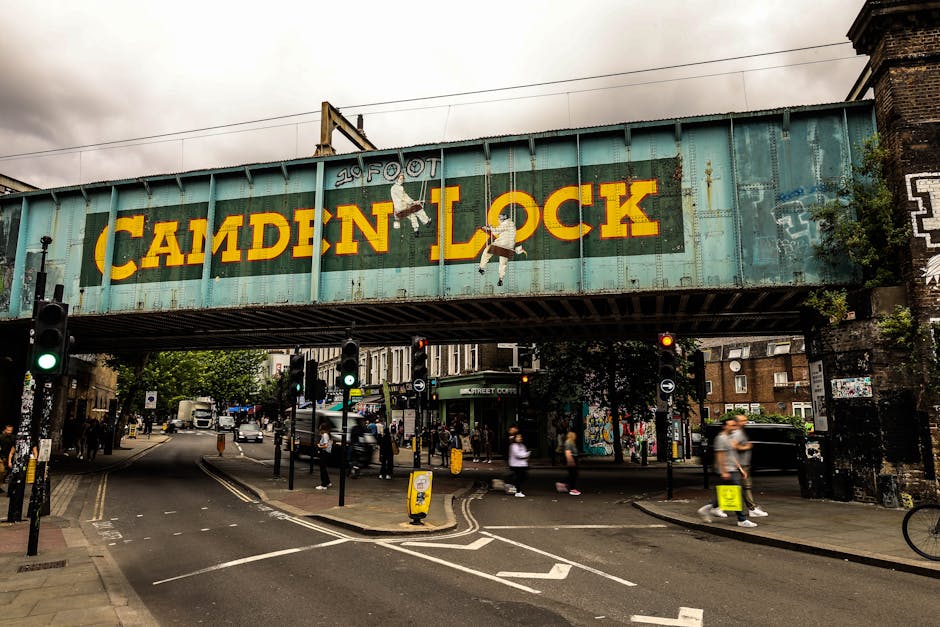
If you are moving in or out of Kentish Town, the last thing you want is a van parked awkwardly, a neighbour complaint, or a costly delay because access was not planned properly. Camden Council rules for moving vans Kentish Town advice is really about doing the simple things well: checking access, timing the move sensibly, and making sure your removal team understands the local streets, bays, and building rules before the van even turns up. Sounds basic, but in practice it saves a lot of stress.
Kentish Town is busy, residential, and full of the sort of real-world obstacles that make a "quick move" anything but quick. Narrow roads, permit-only areas, shared entrances, flats above shops, and the usual London traffic all play a part. This guide breaks down what to expect, how to prepare, and how to avoid the common mistakes that catch people out. If you want a smoother move, a few minutes of planning goes a long way. Truth be told, it often makes the difference between a calm morning and a very long one.
Why Camden Council rules for moving vans Kentish Town advice matters
Moving vans are not just another vehicle on the road. In a place like Kentish Town, they can affect access, loading, safety, and the flow of everyday life for everyone nearby. Camden-style parking and loading controls are there to keep streets usable, but they also mean movers need to think ahead rather than just "rock up and hope".
That matters for three reasons. First, you may only have a short window to stop and load. Second, some streets are busy enough that poor positioning causes instant friction with residents or other drivers. Third, if your move involves a flat, a basement, or a first-floor walk-up, every extra minute counts. When a van is blocked, the whole operation slows down. And nobody likes paying for avoidable waiting time.
There is also the practical side. A well-prepared move is less likely to damage kerbs, railings, lifts, doorways, or your furniture. That is especially true in older Kentish Town properties, where stairs can be tight and access can be, let's say, character-building. If you are already thinking about access issues, these road-removal access tips for narrow stairs will make immediate sense.
Key point: council rules are not there to make moving harder; they are there to manage shared space. The smoother your plan, the less those rules will interfere with your day.
How Camden Council rules for moving vans Kentish Town advice works
The basic idea is straightforward. A moving van needs somewhere lawful and practical to stop, unload, and sometimes wait briefly. In Kentish Town, that can mean checking the line of the street, whether the bay is shared, whether the kerbside space is restricted, and whether there are any building-specific instructions from the landlord or managing agent.
In real life, the move usually involves a few layers:
- Street access: Can the van get close enough without causing obstruction?
- Stopping time: Is there a short-term loading opportunity or a formal parking restriction to work around?
- Property access: Are there tight stairwells, lifts, keypad entry systems, or concierge rules?
- Timing: Will school runs, bin collections, commuter traffic, or bin lorries get in the way?
For many moves, the best approach is not to chase the absolute closest stop, but to choose the safest and least disruptive one. Sometimes that means a slightly longer carry from the van to the door. It feels annoying in the moment, but it is often faster overall because the vehicle is in the right place and the crew can work without interruption.
If you are comparing options, it helps to understand the difference between a larger removal vehicle and a smaller local service. A standard van is easier to position on tight streets, while a bigger lorry may suit larger houses or full office moves. For a broader overview of what is available, see the services overview and the dedicated removal van Kentish Town page.
A good removal team will usually ask about the following before move day:
- your exact pickup and drop-off addresses
- floor level and lift availability
- street width and access restrictions
- how long loading is likely to take
- large or awkward items such as wardrobes, sofas, or pianos
That last point is easy to forget. Yet it can be the deciding factor in whether you need two movers or four, or whether a specialist service is sensible. If you have something bulky and delicate, look at piano removals in Kentish Town or furniture removals support before assuming a standard lift-and-load will do the job.
Key benefits and practical advantages
Getting Camden Council rules and local access right is not only about avoiding problems. It also creates a cleaner, calmer move with fewer moving parts. That sounds obvious, but once the boxes start coming down the stairs, obvious is good.
- Less waiting around: the van can stop where it should, load efficiently, and leave on time.
- Lower risk of penalties or complaints: nobody wants a stressed neighbour staring out of the window at 8:15am.
- Better cost control: fewer delays usually mean fewer chargeable hours.
- Safer handling: shorter, clearer carrying routes reduce the chance of bumps and scrapes.
- Less pressure on the day: when the parking plan is sorted, everything else feels more manageable.
There is also a commercial angle. If you are comparing local providers, ask how they handle access issues, loading bays, and short-notice changes. A provider that understands Kentish Town streets is usually worth more than a cheaper quote that does not factor in reality. If you are still weighing up your choices, the pages on removal companies in Kentish Town and movers in Kentish Town are useful starting points.
For renters, there is another benefit: smoother handovers. If your move-out day is tied to a checkout appointment, even a small van delay can ripple through the rest of the day. That is especially true in flats, where stair access and shared entrances already slow things down. A practical move-out plan pairs well with the moving-out checklist for Kentish Town flats.
Who this is for and when it makes sense
This advice is for anyone moving with a van in or around Kentish Town, but it is particularly useful in a few common situations.
- Flat movers: especially if you are on an upper floor or sharing a narrow stairwell.
- Families moving house: because a full household move needs proper loading access.
- Students: when the move is small but time-sensitive, and the street is still busy.
- Office movers: where business continuity matters and timing is tight.
- Anyone using a man and van: if you need a more flexible, local solution for a smaller load.
If that sounds like your situation, you may also find it useful to read about man and van Kentish Town and man with a van Kentish Town services. They are often chosen for lighter, faster, or more flexible moves where access is tight and the van needs to stay nimble.
It also makes sense for people moving at short notice. Same-day moves can work well, but only if the access picture is clear. Otherwise, the "quick" move becomes a slightly chaotic one. If you are in a rush, take a look at same-day removals in Kentish Town and the related note on availability and costs.
And for students or first-time renters, this can all feel a bit much. Fair enough. You are not expected to know every parking rule or loading trick. You do, however, need to ask the right questions early.
Step-by-step guidance
Here is a practical way to handle the move without turning it into a guessing game.
- Confirm the move date and timing. Check your tenancy end, key handover, lift booking, and any building rules first.
- Map the access route. Look at the road outside both properties, not just the postcodes. Where can the van actually stop?
- Measure the awkward bits. Stair widths, doorway clearance, lift sizes, and any tight bends matter more than people think.
- List the bulky items. Sofas, beds, wardrobes, and appliances may change the vehicle choice and crew size.
- Speak to the removal company early. Tell them if the road is narrow, busy, or partially restricted. Better early than on the day, honestly.
- Ask about parking and loading strategy. A local operator should explain how they typically manage access in Kentish Town.
- Pack in a move-friendly way. Label boxes clearly, keep essentials separate, and avoid overfilled cartons.
- Keep a backup plan. If the first stopping point is blocked, know where the next sensible option is.
For packing, a simple system helps: kitchen, bedroom, bathroom, and essentials. If you want a stronger pack-and-move workflow, packing and boxes in Kentish Town can support the preparation side.
A small but useful detail: move-day traffic around NW5 can change quickly. Ten minutes can make a difference. That is why a little buffer in the schedule is not laziness; it is good planning.
Expert tips for better results
In our experience, the best moves are the ones where somebody has thought three steps ahead. Not five. Three is enough. Here are a few practical tips that genuinely help.
- Book the vehicle to match the street, not just the load. A smaller van may be easier to place than a larger one, especially on a tighter road.
- Keep the loading path as short as possible. Even if the van cannot park right outside, a clear route from door to van matters more.
- Use a brief site check before move day. A quick look at delivery traffic, road width, and obstructions can prevent a surprise later.
- Tell neighbours if access will be tight. A small courtesy heads-off grumbling. Simple, but effective.
- Prepare a "first hour" box. Kettle, chargers, toiletries, paperwork, snacks. The little things save your sanity.
If you are choosing between a larger removals team and a compact van service, think about the property as much as the inventory. A top-floor flat with a narrow staircase may suit a different setup to a ground-floor office. For a broader service comparison, the pages on removal services in Kentish Town and flat removals Kentish Town are helpful.
Another good habit: check insurance and handling standards before booking. Moving fragile or heavy items through a tricky entrance is exactly where professional process matters. The page on insurance and safety gives a sense of the care you should expect.
Common mistakes to avoid
Most moving problems are not dramatic. They are small oversights that snowball. A van that is two streets away. A lift that is out of service. A parking space that looked free but was not. You know the type.
- Assuming the van can stop anywhere. London streets are rarely that generous.
- Not checking building restrictions. Some flats have strict move-in or move-out windows.
- Underestimating loading time. More boxes, more stairs, more time.
- Leaving bulky items until the last minute. That is how moves get messy.
- Booking the wrong size vehicle. Too small creates multiple trips; too large may be harder to position.
- Forgetting about hidden charges. Waiting time, extra carries, or difficult access can alter the cost if not discussed first.
That last point deserves emphasis. If you want to avoid surprises, it is worth reading how to avoid hidden charges in Kentish Town removals and the related guide on NW5 man and van rates.
A small one-line truth: "We'll sort it on the day" is not really a plan.
Tools, resources and recommendations
You do not need a toolkit the size of a film crew's production van. But a few practical tools and documents will make life easier.
- Phone camera: take pictures of the street, entrance, stairs, and any loading area.
- Measuring tape: especially useful for doors, lifts, and furniture clearance.
- Box labels: keep them bold and simple. "Kitchen glasses" beats "misc".
- Move notes: one page with addresses, codes, contact names, and timing details.
- Checklists: helpful for flat moves, student moves, and office handovers.
For practical moving support, the pages on home removals Kentish Town, office removals Kentish Town, and student removals Kentish Town each speak to a different type of move. That matters, because the "best" plan for a studio flat is not the same as the best plan for a three-bedroom house.
If you like to plan costs early, the pricing and quotes page can help you think through what should be included. And if you are curious about service standards and the company approach, the about us page is worth a look too.
Law, compliance, standards, or best practice
Without drifting into legal jargon, there are a few principles worth keeping in mind. In the UK, parking, loading, and stopping rules matter because they protect road safety and keep traffic moving. Building managers, landlords, and local authorities may also have their own access expectations. The exact details can vary by street and property, so it is wise to treat all instructions seriously rather than assume they are flexible.
Best practice usually includes:
- checking for loading or waiting restrictions before the van arrives
- making sure the access route is safe for movers and pedestrians
- using suitable lifting methods for heavy or awkward items
- protecting floors, banisters, and walls where necessary
- keeping communication clear between the customer, movers, and building management
There is also a simple duty of care angle. If access is cramped or the load is heavy, you want a team that works safely rather than quickly in the reckless sense. For reassurance, look at pages such as health and safety policy and terms and conditions so you understand how a provider approaches risk and responsibility.
To be fair, most customers never need to read every policy line by line. But it is reassuring to know the basics are in place. That kind of trust matters.
Options, methods, or comparison table
Different move types need different approaches. Here is a simple comparison to help you choose the right method for Kentish Town access conditions.
| Move option | Best for | Strengths | Possible drawbacks |
|---|---|---|---|
| Standard removal van | House moves, fuller flats, medium loads | Good capacity, efficient for larger jobs | Harder to position on tight streets |
| Man and van | Smaller moves, flexible access, short-notice jobs | Easier in narrow roads, often more agile | May need more trips for bigger loads |
| Specialist removals team | Fragile, heavy, or awkward items | More handling support and planning | Can be more than you need for a very small move |
| Same-day service | Urgent moves or unexpected changes | Fast response, practical for last-minute cases | Availability may be limited at busy times |
If your access is tricky, a smaller vehicle can sometimes be the smarter choice even when the load is moderate. If your items are bulky, though, the extra capacity of a larger van may still be worth it. There is no one-size-fits-all answer. That is the annoying bit, but it is also the honest bit.
For more detail on size and rates, the pages on removal van Kentish Town and Kentish Town property market can help you match the move to the property type you are dealing with.
Case study or real-world example
Here is a realistic scenario. A couple moving out of a first-floor flat near a busy Kentish Town road needed a van for a Saturday morning handover. The road was narrower than they first thought, and the building entrance shared space with another flat. They had packed well, but the real issue was stopping space.
Instead of sending in a large vehicle and hoping for the best, the move was planned around a smaller van with a shorter loading route. The team arrived with the right expectations, the occupants moved the last boxes down in one run, and the van was out before the street got busier. Nothing heroic. Just sensible planning.
What made the difference?
- They checked access before the day
- They kept bulky items to a minimum
- They told the movers about the narrow entrance
- They used a realistic time window, not a tight one
That is the pattern you will see again and again. In fact, the local access guidance in Kentish Town road removals access tips for narrow stairs mirrors the same lesson: know the street, and the move gets a lot easier.
Practical checklist
Use this before the van arrives. It is simple, but it catches most of the avoidable issues.
- Confirm move date, start time, and key collection details
- Check whether the road has restrictions or limited stopping space
- Tell the removal team about stairs, lifts, and entry codes
- Measure large furniture and awkward items
- Protect floors and corners if required by the building
- Label all boxes clearly by room
- Keep essentials, documents, and valuables separate
- Prepare parking or loading instructions in writing if needed
- Notify neighbours or building management where sensible
- Keep water, chargers, and snacks handy; small thing, big help
If you want a fuller moving routine, the moving-out checklist for Kentish Town removals for flats fits neatly alongside this one.
Conclusion
Camden Council rules for moving vans Kentish Town advice comes down to one simple idea: plan the access, respect the street, and make the move fit the environment instead of fighting it. Kentish Town is full of properties that reward careful preparation. If you do the groundwork, the whole process becomes easier, safer, and usually cheaper too.
Whether you are moving a student flat, a family home, or a small office, the same principles apply. Check where the van can stop. Understand the building. Pack properly. Leave a little breathing room in the schedule. Not glamorous, maybe, but very effective.
Get a free quote today and see how much you can save.
And if you are still weighing up service options, a look at removals Kentish Town can help you compare the right level of support for your move. The less guesswork on moving day, the better. Simple as that.