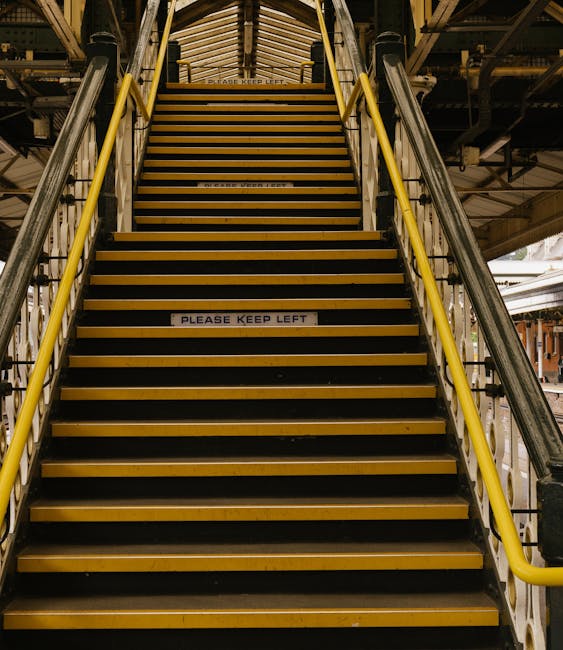
Kentish Town Road removals access tips for narrow stairs
Posted on 23/05/2026
Kentish Town Road removals access tips for narrow stairs: a practical guide for safer, smoother moving day
If you are moving on or around Kentish Town Road, narrow stairs can turn an ordinary removal into a bit of a puzzle. Tight turns, low bannisters, awkward landings, and shared hallways all slow things down. The good news? A calm plan usually solves most of it. This guide on Kentish Town Road removals access tips for narrow stairs walks you through what to check, what to measure, how to prepare furniture, and when to bring in extra help so your move feels controlled rather than chaotic.
Whether you are leaving a first-floor flat, moving into a maisonette, or shifting a few heavy pieces through a staircase that was clearly designed before modern sofas existed, the goal is the same: protect the property, protect your belongings, and save yourself a lot of awkward shuffling halfway down the stairs. To be fair, that is easier said than done in some NW5 buildings. But with the right approach, it can be very manageable.
For readers who want broader support beyond staircase planning, the local team's removal services in Kentish Town and home removals support are useful starting points, especially if you need help with packing, loading, or awkward access.
Key takeaway: narrow stairs are rarely a deal-breaker. The real difference comes from measuring early, stripping furniture down properly, protecting walls and rails, and choosing the right removal method for the property.
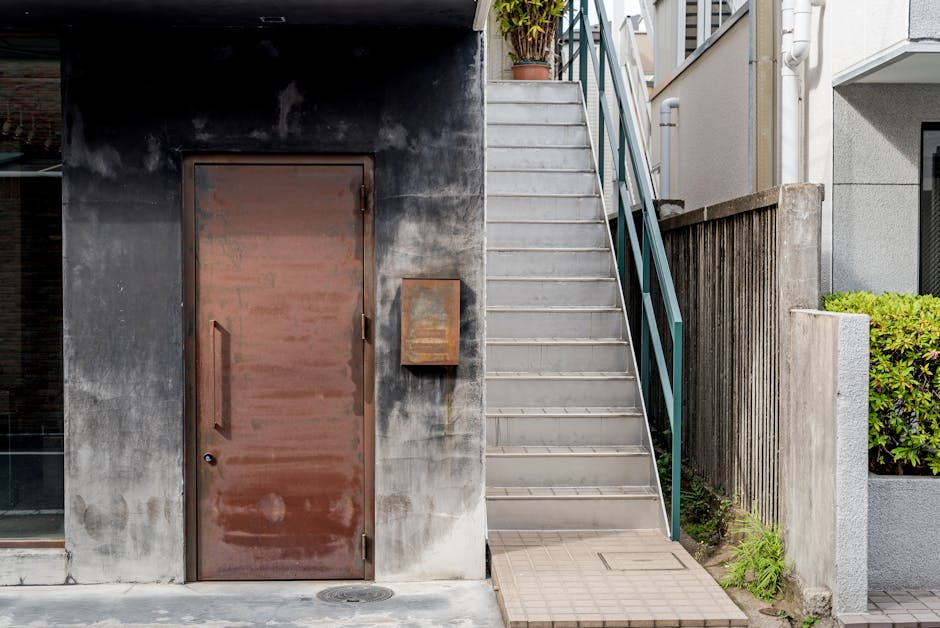
Why Kentish Town Road removals access tips for narrow stairs Matters
Narrow stairs are not just a minor inconvenience. They affect timing, safety, staffing, packing, and even the type of vehicle or removal method that makes sense. In Kentish Town, where you will find a mix of period conversions, compact flats, upper-floor walk-ups, and homes with not-quite-square corners, access is often the real story behind the move.
If you ignore staircase access, the move can become slower and more expensive than expected. A wardrobe that seemed fine in the living room may snag on a turn. A mattress may bend more than it should. A bulky chest of drawers may need to be re-angled three times while someone mutters under their breath and someone else holds the front door open. Happens all the time.
Good access planning matters because it helps with:
- reducing the chance of damage to walls, bannisters, paintwork, and flooring
- avoiding injuries caused by overreaching or carrying too much weight on stairs
- cutting wasted time on moving day
- making sure the right team size is booked
- preventing surprise charges linked to difficult access
For anyone comparing providers, it helps to understand the wider service picture first. A quick look at the site's services overview and Kentish Town removals page can make it easier to decide what level of support you really need.
How Kentish Town Road removals access tips for narrow stairs Works
At a practical level, the process is simple: you assess the access, compare the size of your items with the stairwell, prepare anything that can be dismantled, and plan the route before the moving team arrives. The detail is where things get interesting.
Most narrow-stair moves follow the same basic flow:
- Measure the access points. Check stairs, landings, doorways, and any awkward bends.
- Identify the bulky items. Sofas, wardrobes, beds, wardrobes again, and white goods are usually the main troublemakers.
- Decide what can be dismantled. Flat-pack furniture is often easier to disassemble than to wrestle down stairs in one piece.
- Protect the route. Use covers, blankets, and floor protection where needed.
- Choose the removal method. In some cases a small van, additional porterage, or a more specialised furniture move is the cleaner option.
There is also a mental shift here. You are not simply moving boxes from A to B. You are managing a route. That perspective helps. It changes the questions you ask. For example: will this sofa make the turn without scraping? Can the bed base be split? Do we need a second person at the bottom of the stairs? Those are the questions that save the day.
When bulky or unusually shaped items are involved, a specialist service may be worth it. For example, if you have a grand piano or a similar heavyweight item, the dedicated piano removals service in Kentish Town is a far safer route than improvising on a tight staircase.
Key Benefits and Practical Advantages
Done properly, access planning does more than prevent accidents. It makes the whole moving day feel more professional and less rushed. That has real value, especially if you are trying to move out before a landlord handover, or into a building where the neighbours are just waiting for the stairwell to clear. You know the type.
Here are the main benefits:
- Faster loading and unloading: less stop-start movement, fewer repositions, fewer awkward pauses on the landing.
- Lower risk of damage: furniture corners, walls, and banisters are all less likely to take a knock.
- Less stress: when people know the route, they move more calmly.
- Better budget control: fewer surprises from extra labour or extended time on site.
- Smarter use of space: the van can be packed in a way that suits the sequence of items, not just the order they were dropped in.
There is also a hidden benefit: good access planning helps you choose the right moving format. A larger full-service crew is not always necessary; sometimes a lighter setup such as a man with a van in Kentish Town or a flexible man and van option can be ideal for smaller loads and tighter access. On the flip side, if the furniture is substantial or the staircase is especially awkward, a more structured team may be the smarter call.
Truth be told, access is one of the easiest things to underestimate and one of the easiest things to get right once you start looking closely.
Who This Is For and When It Makes Sense
This guidance is especially useful if you live in a flat or maisonette above ground level, or you are moving into a property with a narrow internal staircase, a tight entrance hall, or a sharp turn between floors. It is also relevant if your move involves older furniture, heavier appliances, student belongings stacked into mismatched boxes, or shared access with neighbours.
You will probably find these tips most useful if you are:
- a tenant moving out of a top-floor flat in NW5
- a homeowner dealing with a period property and a cramped stairwell
- a student moving into a compact share near Kentish Town Road
- an office manager relocating equipment from a converted building
- someone moving a few large items rather than a full house
For smaller, time-sensitive moves, the local same-day removals service can sometimes be a useful fallback if your plans change at short notice. And if your move is particularly compact, the student removals page is worth a look too.
If you are still deciding between providers, reading about removal companies in Kentish Town can help you compare service levels, especially when access is the main issue rather than volume alone.
Step-by-Step Guidance
Here is the straightforward version. Nothing flashy. Just the stuff that makes the move easier.
1. Measure the stairwell before you book
Start with the basics: width of the stairs, width of the narrowest turn, height of the ceiling at the tightest point, and the size of the items you want to move. A tape measure, a phone camera, and a bit of patience go a long way. Snap photos from the bottom, middle, and top of the staircase if you can.
Do not guess. Guessing is the enemy here.
2. Identify the awkward items first
List the items most likely to cause trouble. Usually these include sofas, mattresses, wardrobes, headboards, desks, mirrors, fridge-freezers, and bed frames. If something has handles, corners, or glass, it deserves extra attention.
A surprisingly common issue is furniture that is technically not too large, but has the wrong shape for the stairwell. A narrow staircase can be trickier than a narrow doorway because the item has to rotate as it travels. That turning motion is where many moves get stuck.
3. Dismantle where it makes sense
Remove legs, shelves, doors, drawers, and detachable panels whenever possible. Keep screws and fittings in labelled bags. Put each bag in the same room as the furniture piece or tape it securely to the item. Sounds obvious, but people lose fixings all the time. Then they spend Saturday evening crawling around with a torch. Not ideal.
If you are packing at the same time, the local packing and boxes guide can help you decide how to package awkward items safely and how to keep boxes manageable for stairs.
4. Protect the route
Use blankets, padding, cardboard sheets, or staircase protectors where needed. This is especially useful on painted bannisters, soft wood, or older plaster walls that mark easily. If the property has tight communal areas, protecting the route is not just courteous, it is practical.
5. Arrange the lifting sequence
Heavy items should move in a planned order, not in the order they were packed into the room. Start with the items that need the most room to manoeuvre. Keep the stairwell clear of loose bags, shoes, and random stuff left by the front door. That one tiny pile can become a full-blown obstacle course.
6. Decide whether extra hands are needed
For some properties, one mover and a van is enough. For others, especially those with narrow or steep stairs, an extra porter can make all the difference. If the access is tight but the load is modest, experienced movers in Kentish Town can help you balance cost and effort more sensibly than trying to do everything yourself.
7. Keep communication simple on the day
Pick one person to direct the move. Too many instructions at once causes confusion, especially on a staircase. A simple "pause," "tilt," or "slow" is often enough. No need for speeches. The building does not care, and neither does the sofa.
Expert Tips for Better Results
Once the basics are covered, the small details make a real difference.
- Measure diagonally, not just straight across. A sofa may fit width-wise but fail when rotated around a landing.
- Use mattress covers and furniture blankets. These protect against dirty walls, scuffs, and sudden rain at the front step.
- Empty drawers completely. A full drawer adds weight and tends to slide open at the worst possible moment.
- Remove glass shelves and loose fittings early. They are easy to forget until you are halfway down the stairs.
- Plan around busy times. On Kentish Town Road, foot traffic and parking pressure can change the rhythm of a move, especially later in the day.
- Check the landing space. A stairwell can be technically wide enough but still fail because the landing is too tight to pivot on.
One of the best practical habits is to rehearse the route with a cardboard cut-out or even just a visual walkthrough before the moving team arrives. It sounds slightly over the top, I know. But when a property has a weird bend halfway up the stairs, a five-minute check can save a forty-minute headache.
If you are trying to keep the move efficient and budget-aware, take a look at pricing and quote guidance alongside the local guide to avoiding hidden charges in NW5. That combination is very handy if access is likely to affect time on site.

Common Mistakes to Avoid
Most access problems come from a short list of avoidable mistakes. None of them are dramatic on their own. Put together, though, they create the classic moving-day scramble.
- Assuming the staircase will be fine without measuring. It might be. Or it might be the exact wrong angle for your wardrobe.
- Leaving furniture fully assembled. Sometimes you can get away with it. Often you cannot.
- Forgetting about the landing. Many people focus on the stairs and forget the turn at the top or bottom.
- Underestimating weight distribution. A piece that is compact can still be dangerously heavy for one person on a narrow step.
- Ignoring communal access rules. In flats, hallways, shared doors, and timed access windows can matter a lot.
- Using poor packing materials. Weak boxes and loose wrapping become a problem fast when they are carried on stairs.
Another common mistake is booking a service that is fine for open access but not ideal for a cramped walk-up. Sometimes a simple, flexible removal van service in Kentish Town is enough. Sometimes you need a more structured move. It depends on the building, not just the number of boxes.
If you are moving from a compact flat, especially one with tight internal routes, the flat removals page offers a better sense of how a tailored service can help with stairs, shared entrances, and awkward furniture.
Tools, Resources and Recommendations
You do not need fancy equipment to handle narrow stairs well, but a few simple tools make the process much safer.
| Tool or item | Why it helps | Best used for |
|---|---|---|
| Measuring tape | Checks stair width, turns, and doorway clearances | Planning access before moving day |
| Furniture blankets | Protects walls, rails, and corners from scrapes | Large items, stair edges, delicate paintwork |
| Strong tape and labelled bags | Keeps fittings and screws together | Dismantled furniture |
| Mattress cover | Keeps bedding clean and easier to carry | Beds, box springs, and soft furnishings |
| Work gloves | Improves grip and protects hands | Heavy lifting and awkward turns |
| Floor protection | Reduces marks on carpets, wood, and communal flooring | Shared hallways and internal stairs |
If the move includes expensive or fragile items, you may also want to review the company's approach to safety and cover. The insurance and safety information and health and safety policy are useful reading before you book. It is not the most exciting part of moving, granted, but it matters when something difficult needs lifting.
For customers who like to understand the business side too, the about us page gives extra context on the company background, and the payment and security page helps explain how booking and payment are handled. That can be reassuring when you are already juggling keys, boxes, and the timing of lift access.
Law, Compliance, Standards, or Best Practice
For most home moves, the main compliance issues are practical rather than legal. You are generally looking at safe lifting, reasonable care for property, and proper handling of access in shared buildings. If you live in a block of flats, you may also need to respect building rules about lift bookings, loading times, noise, and use of communal areas.
In plain English, best practice usually means:
- not blocking shared corridors for longer than necessary
- protecting surfaces where damage is likely
- lifting within safe limits rather than forcing one person to do too much
- using the right equipment for heavy or fragile items
- telling the removal team about any known access restrictions in advance
If you are moving offices rather than a home, access planning becomes even more important because workspaces often have stricter building management rules. The office removals service is relevant there, especially where shared stairwells, reception areas, or time slots come into play.
It is also worth checking the company's policies if you want extra peace of mind. The terms and conditions and complaints procedure are there for a reason. Not glamorous, but reassuring when you are trying to keep everything clear and fair.
Options, Methods, or Comparison Table
Different access problems call for different solutions. Here is a simple comparison that can help you choose the right approach.
| Method | Best for | Pros | Watch-outs |
|---|---|---|---|
| Full dismantling and reassembly | Large furniture on tight stairs | Often the safest way through narrow turns | Takes longer and needs organised hardware storage |
| Careful carry-in as assembled items | Medium-sized items with enough landing space | Quick and simple if dimensions are favourable | Can fail at unexpected angles or corners |
| Man and van with compact load planning | Smaller flats and lighter moves | Flexible and efficient for compact access | May not suit heavy or specialist furniture |
| Specialist furniture handling | Bulky, valuable, or fragile items | More control and reduced risk | Usually needs better planning and may cost more |
There is no single "best" option for every Kentish Town stairwell. A one-bedroom flat with a steep staircase may need more care than a larger property with easier access. That is why a quick assessment beats assumptions every time.
Case Study or Real-World Example
Imagine a second-floor flat just off Kentish Town Road. The staircase is narrow, the banister is on one side, and there is a tight turn at the first landing. The main furniture includes a bed frame, a wardrobe, a two-seat sofa, a desk, and a fridge-freezer. Nothing outrageous, but enough to cause trouble if handled casually.
The move goes well because the preparation is thorough. The wardrobe doors are removed before the team arrives. The bed frame is broken down and the screws are bagged up. The sofa is measured against the stair width and wrapped for protection. A route through the hallway is cleared the night before, and the front door access is kept unobstructed. A second person helps guide the sofa around the landing. Small things, really. But they matter.
Midway through, the team realises the fridge-freezer can only make the turn if it is tilted slightly and rotated at the landing. Because that possibility was discussed in advance, there is no panic. Just a pause, a reset, and then it moves through cleanly. The whole job finishes without scuffed walls or that horrible scraping sound nobody wants to hear.
That is the pattern you want. Calm, prepared, boring in the best way.
Practical Checklist
Use this checklist before moving day, especially if your property has narrow stairs or tight internal access.
- Measure stair width, turns, doorways, and landing space
- Photograph the stairwell from multiple angles
- List all bulky or awkward items first
- Dismantle furniture where possible
- Label screws, fittings, and small parts
- Protect walls, bannisters, and floors
- Clear hallways and the area around the front door
- Tell the removal team about any access restrictions
- Check lift bookings, parking, or loading restrictions if relevant
- Confirm whether extra hands or specialist handling are needed
- Prepare mattress covers, blankets, and sturdy packing materials
- Keep one person in charge of instructions on the day
If your move includes a mix of furniture and boxes, it can also help to review the local furniture removals support so you can separate what needs special handling from what can simply be boxed and carried. Little bit of organisation there saves a lot later.
Conclusion
Moving through narrow stairs on Kentish Town Road does not have to feel like a battle. With sensible measuring, careful packing, and the right removal setup, most access issues become straightforward logistics rather than real obstacles. The main thing is to plan early and treat the staircase as part of the job, not an afterthought.
If you remember only one thing, make it this: measure first, protect everything, and choose the moving method that suits the property rather than the one that sounds quickest on paper. That approach is usually cheaper, safer, and far less stressful.
Get a free quote today and see how much you can save.
And if you are still weighing up your options, browsing the wider local guides on what makes Kentish Town a good place to live or the Kentish Town property market can be a surprisingly useful next step. Sometimes the move starts with understanding the building, the street, and the neighbourhood a little better. That part matters too.