Commercial Moves in Kentish Town
Local business relocation support for Kentish Town premises

If you are planning Commercial Moves in Kentish Town, you are probably already thinking about more than just boxes and vans. A business relocation can affect staff schedules, customer access, stock levels, IT equipment, building rules, and the first impression your company gives when it opens in its new premises. Whether you are moving a small office, a retail unit, a workshop, a studio, or part of a larger commercial property, the right removal service can make a major difference to how smoothly the day runs.
Kentish Town has its own mix of commercial spaces, from converted buildings and compact high-street units to shared workspaces and established office floors. That variety means every move comes with different practical needs. Some businesses need early starts before trade opens. Others need careful handling of specialist equipment or a staged move across several days. A local commercial removals team understands these pressures and can help plan a move that suits your building, your schedule, and your people.
Commercial moves Kentish Town customers often want a service that feels organised from the outset: clear planning, sensible lifting methods, protected items, and a team that can work around traffic, parking restrictions, loading bays, and building access rules. That is especially important in busy local streets where space is limited and timing matters. If you want a move that keeps disruption under control, a local team with experience in the area is a strong place to start.
Why businesses in Kentish Town need a tailored moving plan

Every commercial relocation has moving parts that go beyond transport. Offices need desks, chairs, monitors, archive boxes, printers, and networking kit handled in a way that avoids damage or confusion. Shops may need stock, shelving, signage, till systems, and display items moved without interrupting trade more than necessary. Studios and creative businesses often have valuable tools, samples, fragile materials, or bulky equipment that should be packed and lifted with care. That is why a tailored plan matters.
In Kentish Town, property types can vary significantly. Some businesses operate from upper floors with narrow stairways. Others are in mixed-use buildings with shared entrances, lift restrictions, or limited loading access. There may be controlled parking, time limits for deliveries, or busy surrounding roads that make scheduling just as important as physical handling. A local commercial removals service can assess these challenges and build a practical move around them, rather than treating every job the same.
For many local customers, the biggest concern is minimising downtime. Business owners want to know how quickly the move can be completed, how items will be labelled, what will happen to delicate equipment, and whether the team can coordinate with building managers or facilities staff. Good commercial removals are about continuity as much as transport, helping you keep operations steady while changing location.
Typical commercial customers we help
- Office teams relocating desks, chairs, filing, and IT equipment
- Retail businesses moving stock, fixtures, and fitting items
- Start-ups moving into shared or private workspace
- Professional services offices with confidential paperwork and archive storage
- Studios, workshops, and light commercial units with specialist items
- Landlords and managing agents coordinating tenant moves
What is included in a commercial move

A well-planned business move should be much more than a van arriving on the day. Most customers want a service that helps from the earliest stages through to placement at the new site. The exact support will depend on your premises, but a professional team can usually help with loading, transport, unloading, and positioning of items in the right rooms or zones.
What is included may vary by provider, but customers usually look for the following:
- Pre-move planning and assessment of access points
- Scheduled loading and transport for commercial furniture and equipment
- Careful wrapping or protection of fragile or high-value items
- Safe carrying of boxes, documents, and bulky items
- Handling of office furniture, shelving, fixtures, and similar items
- Unloading and placement at the destination according to your layout
- Coordination around building access, lifts, and parking windows
- Support for partial moves, phased moves, or multi-floor relocations
For business customers, it is often useful to separate what can be moved by staff in advance from what should be handled by removals professionals. Personal desk contents, boxed files, and clearly labelled supplies can be prepared ahead of time, while heavy desks, cabinets, and awkward equipment are left to the moving team. This helps speed up the move and reduces the risk of lost items or injuries.
Helpful extras many businesses ask for
Depending on the nature of the premises, additional support may also be useful. Some commercial moves involve dismantling and reassembly of furniture, moving archive storage, or handling items that require extra wrapping. Others need help with coordinating access times so the move does not clash with trade, deliveries, or office hours. If you have unusual items or specific building rules, it is worth mentioning them early so the team can prepare properly.
How commercial moves work in Kentish Town
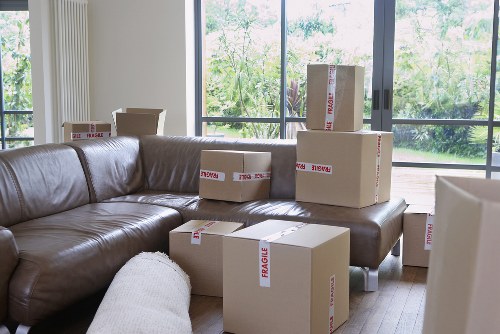
The best moving day starts long before the van arrives. Most businesses benefit from a short planning conversation first, so the removals team understands the size of the premises, the number of items involved, and any access issues. In Kentish Town, that might include restricted street parking, narrow entrances, shared building lifts, or a need to work around residents above or next door. The more accurate the planning, the easier the move tends to be.
Usually, the process begins with an inventory or at least a practical overview of what is being moved. That helps with estimating the number of staff needed, the size of vehicle required, and the order in which items should be loaded. Office moves in particular benefit from labelled boxes and room-by-room planning, while retail relocations often need stock and display items grouped so the new shop floor can be set up efficiently.
On the day itself, the team will usually protect floors and doorways where needed, then load items in a sensible sequence to keep fragile pieces safe and make unloading easier later. At the destination, items can be placed in the correct rooms or zones, which saves time and reduces confusion. For larger commercial moves in Kentish Town, a staged approach is often the most practical, especially when the move includes upper floors, multiple departments, or a mixture of office and storage areas.
Typical move-day approach
- Confirm access times and loading arrangements
- Check the final list of items to be moved
- Protect surfaces, entrances, and likely contact points
- Load heavy and delicate items in the correct order
- Transport items safely to the new site
- Unload and position items where requested
- Review any remaining access or placement tasks
Preparing your business for a smoother move

Good preparation makes a huge difference. Even if you are hiring professional movers, your own team can help by organising labels, separating sensitive documents, and deciding what should travel first. A move that feels organised on paper often feels calmer on the day, especially when staff know what to do and where items belong.
If you are arranging commercial relocation in Kentish Town, a practical preparation checklist can be useful. The goal is not to make the move more complicated, but to keep it predictable. It is much easier to work through a clear plan than to deal with loose items, unlabelled boxes, and last-minute decisions while the vehicle is waiting outside.
Preparation checklist for business customers:
- Label boxes by department, room, or workstation
- Back up important data before moving IT equipment
- Separate confidential files for controlled handling
- Empty personal drawers and loose desk items
- Disconnect equipment safely where appropriate
- Clear walkways and ensure access routes are free
- Confirm parking, loading, or building entry requirements
- Notify staff about timing, responsibilities, and the move plan
Where possible, it helps to create a simple floor plan for the new premises. That lets the moving team place furniture, boxes, and equipment more efficiently. It can also reduce time spent moving items around after delivery, which is helpful when your priority is getting back to normal work as soon as possible.
Questions to answer before move day
Which items need extra care? Which staff members will oversee key rooms? Are there any items that need to be moved at a specific time? Will there be secure access at both ends? These small decisions may seem basic, but they can save time and prevent avoidable delays during commercial moves in Kentish Town.
Access, parking, and local building challenges
Kentish Town’s mix of busy streets and varied premises means access can be one of the biggest factors in a commercial move. Some buildings have no private parking, while others allow only short loading windows. You may also need to work around residents, neighboring businesses, or shared entrances. If your unit is close to a main road, arranging the timing well can be just as important as choosing the right vehicle and lifting team.
Parking and loading issues can affect how long a move takes. A commercial removal company familiar with local conditions will understand the need to keep the route short, avoid unnecessary waiting time, and plan for any stairs, lifts, or restricted access areas. This is especially valuable for office floors, split-level spaces, and converted buildings where heavy items cannot simply be wheeled in through a wide ground-floor entrance.
Common access issues in local business moves include narrow staircases, limited loading bays, lift restrictions, road congestion, and shared entrances. It is also common for commercial customers to have keys, fobs, or entry permissions that need confirming ahead of time. A local team can help think through these details so your move does not get held up at the door.
Examples of premises that often need extra planning
- Upper-floor offices in converted buildings
- Retail units in compact high-street locations
- Shared workspaces with access schedules
- Studios and offices with narrow internal corridors
- Commercial properties with controlled entry or limited parking
Why choose a local team for commercial moves in Kentish Town
Working with a local team brings practical benefits that matter on a moving day. Local crews are more likely to understand the traffic patterns, parking realities, and building types you are dealing with. They also tend to be better placed for short-notice adjustments, phased support, and realistic scheduling around busy areas. When your business is trying to keep disruption low, that local familiarity can save time and stress.
Another advantage is communication. A team that regularly works in and around Kentish Town is often better at handling the practical details that come with commercial premises. That might include coordinating with reception teams, respecting office hours, working around resident access, or planning a route that avoids unnecessary delay. These details can matter just as much as lifting strength or vehicle size.
If you are comparing options, think about the full service, not just the transport. A good provider should help you feel confident about planning, safety, timing, and the final placement of items. Businesses often look for reliability, flexibility, and clear communication because those things directly affect how quickly staff can settle into the new premises and resume normal work.
Benefits customers usually value
Reduced downtime, better planning, fewer access problems, and a more orderly move are some of the main reasons businesses choose a local commercial removals service. There is also peace of mind in knowing that the team understands the area and can respond to the realities of local streets, buildings, and business schedules.
Types of commercial properties and moves we can help with
Commercial moves in Kentish Town are rarely one-size-fits-all. The move for a small design studio is very different from the move for a retail shop or a multi-room office. Understanding the type of property and the items involved is the first step in arranging the right service. Some customers are relocating a single department, while others are moving their whole business in one go.
Offices often need careful handling of IT-related items, filing systems, meeting room furniture, and breakout area equipment. Retail customers may need display units, shelving, rails, stock, and back-of-house items moved in a controlled way so the new site can reopen with minimum delay. Workshops and trade spaces may involve equipment that is heavy, uneven in shape, or sensitive to movement. In each case, a sensible plan keeps the process safer and more efficient.
There are also many businesses that need a partial move rather than a full relocation. This could include moving archive boxes to storage, shifting items between sites, clearing a floor before refurbishment, or relocating one department while others remain operational. For these jobs, flexibility matters. A local removals team can often work around your business schedule rather than forcing you into a rigid timeline.
Commercial move types we often see
- Full office relocation
- Retail shop move
- Workspace and studio transfers
- Internal business moves within the same building
- Archive and stock relocation
- Phased relocation over multiple days
Pricing factors and what affects a quote
Businesses often want to know what influences the cost of a commercial move before they request a quote. While exact prices depend on the details of the job, it helps to understand the main factors. This makes it easier to compare services fairly and choose a provider that matches the size and complexity of your move.
Factors that can affect a commercial removals quote include the amount of furniture or stock being moved, the number of floors involved, the distance between premises, the need for dismantling and reassembly, access restrictions, parking conditions, and the time window available for the move. If specialist handling is needed for fragile or unusually shaped items, that can also influence the plan.
Timing can matter too. Moves that need to happen outside normal business hours or during a very narrow window may require extra coordination. Likewise, a business moving from a busy Kentish Town street with restricted parking may need more careful scheduling than one with easy ground-level access. When you request a quote, provide a clear description of the premises, the item list, and any known access issues so the estimate is more useful and realistic.
To help you request a useful quote, include:
- The type of business and premises
- Approximate number of items, desks, or boxes
- Any large, fragile, or specialist equipment
- Access details at both ends of the move
- Preferred dates and times
- Whether you need packing, dismantling, or reassembly
What makes a commercial move less disruptive
The most successful business moves are often the ones where the day feels controlled from start to finish. That does not happen by accident. It comes from sensible preparation, a well-matched team, and clear communication before anything is lifted. When those pieces come together, your staff can focus on their work instead of worrying about the relocation process.
There are several practical ways to reduce disruption. You can move in stages rather than all at once. You can separate essential items so they are ready first at the new site. You can set up departments or teams in advance so people know where to go and what to unpack. You can also make sure any special access needs are confirmed with building managers before move day, which helps prevent delays.
For Kentish Town businesses operating in customer-facing premises, planning matters even more. A move that blocks access or creates confusion in the front area can affect trade and create stress for staff. A commercial removals team that understands this can work around your operations and help you keep the move orderly while preserving business continuity as much as possible.
Practical ways to stay organised
- Nominate one person to oversee the move plan
- Label everything clearly and consistently
- Keep essential documents and devices together
- Use a layout plan for the new premises
- Confirm what should be moved first and last
Areas covered around Kentish Town
Many customers arranging commercial moves in Kentish Town also need support in nearby districts and neighboring business areas. Depending on the route and the nature of the move, a local team may assist with nearby office zones, mixed residential-commercial streets, and surrounding areas that share similar access conditions. This can be useful for businesses relocating between sites or moving stock and equipment to storage.
Local coverage is especially helpful when your move involves more than one location, or when your old and new premises are in different parts of the same district. It also matters if you are coordinating with a landlord, managing agent, or building supervisor at either end. A team that knows the wider area can often work more efficiently and avoid common access delays.
Because every job is different, it is best to discuss your exact locations when requesting a quote. That helps the removals team assess travel time, parking conditions, access routes, and the best timing for the job. The result is a more practical plan and a better chance of keeping your move on track.
Nearby business settings that may be relevant
Office clusters, retail parades, shared workspaces, light industrial units, mixed-use developments, and converted commercial properties can all present different moving challenges. A local service with area knowledge is often best placed to deal with those differences.
Frequently asked questions
Before booking a commercial move, many customers ask similar questions. These are practical concerns, and they are worth addressing early so your move feels easier to manage.
Do you move businesses outside normal working hours?
Some commercial moves need early starts, evening slots, or weekend timing to reduce disruption. Availability depends on the job, but it is common for businesses to ask for a schedule that avoids peak trading or busy office hours.
Can furniture be dismantled and reassembled?
Many office and commercial items can be dismantled for safer transport and then reassembled at the new premises. If you have modular furniture, large desks, shelving, or meeting tables, mention that when requesting your quote.
What if our building has limited access?
That is very common in Kentish Town. Narrow entrances, upper floors, and limited loading space can be managed with the right planning. Share access details as early as possible so the team can prepare.
Can we move only part of our business?
Yes. Partial commercial moves are often the most practical choice for businesses that are staying open during a relocation or shifting only certain departments, stock, or equipment.
How far in advance should we arrange the move?
The earlier you plan, the more flexibility you usually have. However, if your move date is close, it is still worth asking for availability, especially if you need help with a smaller or more focused relocation.
What should we do with confidential documents?
Keep sensitive files clearly separated and decide in advance who will handle them. If certain items need secure or controlled movement, make that clear during the planning stage.
Book your commercial move with confidence
When your business is moving, you need more than transport. You need a service that respects your schedule, understands your premises, and helps reduce disruption from the moment planning starts. That is why Commercial Moves in Kentish Town should be arranged with a team that knows how to work around access issues, mixed property types, and the pressures of a real working day.
Whether you are relocating an office, shifting retail stock, moving to a new studio, or planning a phased business transfer, the right removals support can save time and reduce stress. Clear preparation, sensible handling, and local knowledge all add up to a smoother move and a quicker return to normal operations.
If you are preparing for an upcoming relocation, contact us today to discuss your plans and request a free quote. If your move date is approaching, book your service now so you can secure the support you need and keep your business moving forward.